
Creative Musicianship: Using Rudiments to Sketch Musical Ideas with Justin DeHart

A lesson on orchestration and creativity

Percussionists, we all know the drill: hours spent on the practice pad, drilling the rudiments until they’re second nature. But what happens when you move from the purely technical to the truly musical? How do we use those hard-earned sticking patterns to make thoughtful, artistic choices on a full instrument setup? Today, we’re going to explore a brilliant concept with insights from a world-class performer that shifts your rudiments from technique builders to creative tools.
Table of Contents
Don't miss a post, sign up for the Black Swamp Newsletter!
Meet Your Instructor
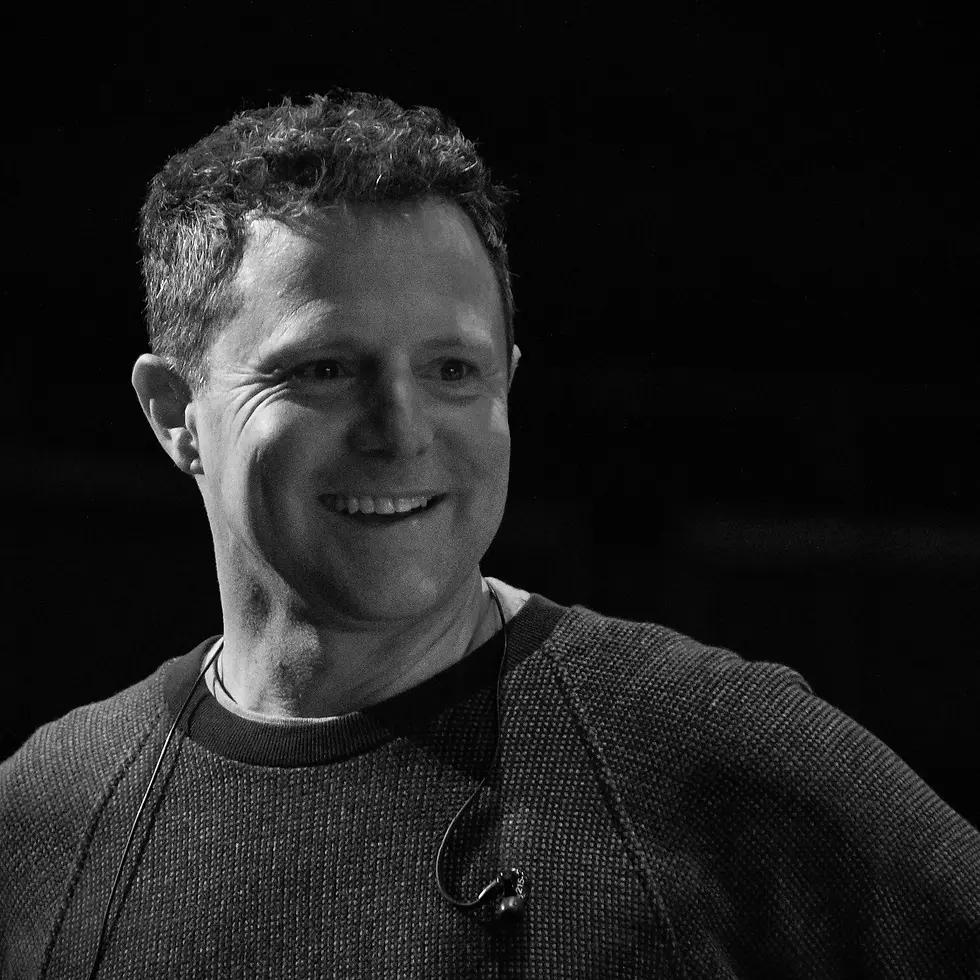
Justin DeHart is a GRAMMY-nominated percussionist and current Associate Professor of Music at the University of Canterbury in New Zealand. Known for his versatility across classical, pop, and world music, he was a member of the Los Angeles Percussion Quartet (LAPQ) (2009–2022).
Deeply influenced by Indian traditions, he is a long-time disciple of North Indian tabla master Pt. Swapan Chaudhuri and received a Fulbright Scholarship to study South Indian drumming. His work appears on over 100 recordings, earning critical acclaim, including the German Critics’ Prize.
The Creative Power of Rudiments & Orchestration
Think of a rudiment, like the single paradiddle (R L R R, L R L L), not as a sticking pattern, but as a rhythmic sketch. The technical work of the rudiments ensures the rhythm is clean, but the musical work comes when you orchestrate that rhythm across your instrument.
Orchestration, in this context, means exploring how the same rhythmic idea sounds when played on different parts of an instrument, or across multiple instruments. This practice isn't just about hitting different things; it's about actively exercising your musical creativity and deepening your understanding of how sound works.
By moving rudiments around your setup, you immediately engage with three essential musical concepts:
Tonal Exploration: How the rhythm is colored by different timbres (wood, metal, plastic, head vs. rim).
Instrument Zones: How the same drum or bar reacts to different playing areas (center, edge, side).
Phrase Resolution: How your ears perceive the sticking when it’s given a new sonic identity.
This process provides a fantastic low-pressure environment to work through a difficult rudiment or phrase, allowing you to sketch freely on the instrument without the mental block of striving for technical perfection on a single surface.
From Sticking to Soundscape: An Example
Let’s take Justin DeHart’s practical example: the single paradiddle.
Approach | Focus | Musical Impact |
Traditional Practice | Evenness, Accuracy, Speed on a single pad. | Builds Technical Skill. |
Orchestration Practice | Moving the sticking across different zones/instruments. | Builds Creative Vocabulary and Tonal Awareness. |
Instead of just keeping the single paradiddle on one surface, try this:
Play a paradiddle R L R R L R L L
Play the right hand on a high tone
Play the left hand on a low tone
This exercise forces you to hear the rhythm in a new light, where the sticking translates into distinct timbral shifts—a fundamental skill for any thoughtful percussionist. Experiment with starting and stopping arbitrarily, or changing speeds within the orchestration. You are not practicing the rudiment; you are practicing creativity using the rudiment as your rhythmic framework.
Student Action Plan
Here is a simple, four-step plan to immediately incorporate this concept into your practice session:
Choose Your Rudiment: Select one rudiment (e.g., Double Stroke Roll, Single Paradiddle, Five Stroke Roll).
Define Your Palette: Choose distinct, easily accessible sound sources on your instrument setup (e.g., snare drum center, wood block, cymbal bell).
Improvise and Refine: Play the rudiment with your new orchestration. Start and stop randomly. Change tempo. The goal is to feel out how the tone and timbre affect the rhythm and work out any "kinks" in your sticking or phrasing.
Gear Tour: Why Justin DeHart Chooses Log Drums

For this kind of detailed orchestration work, the instrument choice truly matters. Justin DeHart used a pair of Black Swamp Log Drums for this lesson. These instruments are ideal for this concept because they naturally offer a wide tonal spectrum on a compact surface.
Each log drum provides two distinct pitches (a high and a low tone). Crucially, the top and the sides of the instrument also offer unique tones and timbres when struck. Justin’s choice highlights how even a seemingly simple instrument can be a deep source of exploration—a lesson perfectly demonstrated by fellow BSP artist, Evelyn Glennie, in her studio video series, "Playing Around The Office." This demonstrates that deep musical exploration often requires sensitivity to an instrument's full potential, not just hitting its intended target.
Making Thoughtful Musical Decisions
Ultimately, this approach is about taking the pressure off technique and redirecting your energy toward Creative Musicianship. We’re training our ears and our hands to work together to produce meaningful musical results. Every time you consciously choose to move a beat from one instrument to another, you are making an artistic decision about color, texture, and density.
The best percussionists are not just those with the fastest hands, but those who can most thoughtfully translate rhythmic patterns into compelling soundscapes. Use the foundation of the rudiments to sketch your next great musical idea.
Get lessons like this sent right to your inbox, sign up for the Black Swamp Newsletter!


Comments